FREE DELIVERY ON ORDERS OVER R2,000 | UPCOMING EVENTS
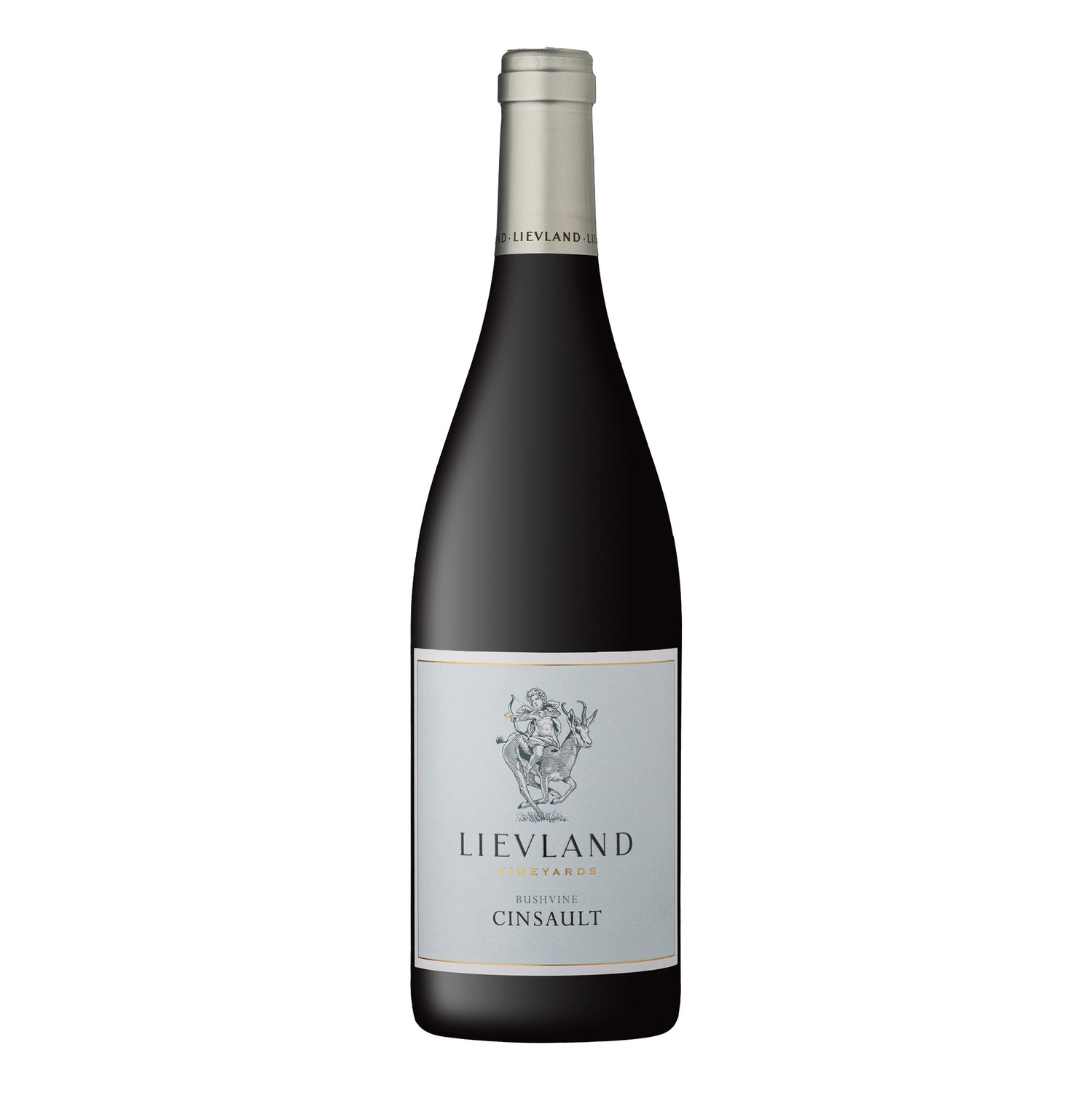
Lievland Bushvine Cinsault 2026
R220.00
Price incl. VAT (15%) R28.70
In stock: 6 available
1
Lievland Bushvine Cinsault 2026
Product details
A fresh medium body Cinsault - Perfect for the pool or when the braai gets going on those summer evenings.
The grapes for the 2026 Bushvine Cinsault come from two dry-farmed bush vine vineyards, one in Agter-Paarl and one in Paarl, planted mainly on Malmesbury Shale. This soil holds water well and its clay content adds minerality, fresh acidity and soft, elegant tannins, with one vineyard carrying a top layer of sand. The 2026 season followed a long, wet winter and a temperate growing season. Persistent winds at flowering reduced yields slightly, but looser bunches kept disease pressure low, and a dry, moderate run into harvest allowed slow ripening, with enhanced aromatics and excellent colour. The fruit was hand harvested, and 10% of the Cinsault was fermented as whole bunches. After two days of cold maceration to build bright aromatics, the wine was fermented with selected yeasts, entirely in stainless steel, then matured on fine lees for five months with no oak. The final blend is 91% Cinsault and 9% Alicante Bouschet.
Tasting Notes: Bright crimson in the glass, the Lievland Bushvine Cinsault opens with an inviting lift of raspberry, black currant and ripe strawberry. The palate follows with juicy red berries, candied cherries and a delicate floral thread of rose petals, carried by a soft, generous mouthfeel and gentle, fine tannins. Light to medium in body with a velvety texture, it is smooth and rounded rather than austere, with fresh acidity keeping the fruit bright and a clean, easy finish that invites another glass. A splash of Chenin Blanc adds lift and freshness, while a little Alicante Bouschet brings colour and quiet structure. This is Cinsault at its most joyful: vibrant, light on its feet and made for drinking now, best with a slight chill.
Food Pairing: Serve this Cinsault slightly chilled, around 14 to 16 degrees, to keep the red fruit fresh and lively. It is a natural match for a generous charcuterie board, particularly fatty cured meats such as saucisson, chorizo and droëwors, alongside hard cheeses like aged Gouda, Manchego or Gruyère. Its soft tannins and bright acidity also suit roast or braaied chicken, duck breast, grilled pork, lamb chops and sosaties, and it handles tomato-based pasta, wood-fired pizza and mushroom dishes with ease. For a vegetarian table, try it with roasted aubergine, charred peppers or a warm lentil salad. Easy, social and versatile, it is just as happy on its own at a relaxed afternoon braai.
ANALYSIS: ALC 12.5% | TA 4.82g/L | pH 3.56 | RS 3.49g/L
Customer reviews
Customer reviews
Reviews only from verified customers
No reviews yet. You can buy this product and be the first to leave a review.
You May Also Like
Display prices in:ZAR