FREE DELIVERY ON ORDERS OVER R2,000 | UPCOMING EVENTS
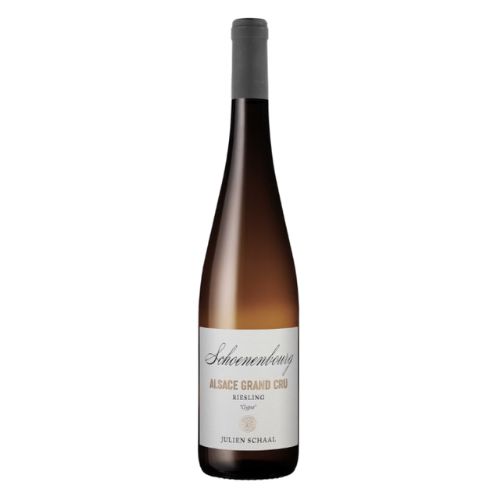
Julien Schaal Alsace Granite Sommerberg Riesling 2024
R400.00
Price incl. VAT (15%) R52.17
In stock: 2 available
1
Julien Schaal Alsace Granite Sommerberg Riesling 2024
Product details
Out of the three Julien Schaal Alsace Rieslings. Sommerberg feels the most immediate. It has lift, movement and a saline quality that runs through the finish.
The two-mica granite, called Turckheim granite, in a very advanced state, produced these mineral-rich granite arenas, highly suited for vineyards. These soils also promote the expression of fresh fruit and citrus aromas in Riesling wines.
Located on a very steep hill (45°), this locality is oriented directly to the south and rises up to nearly 400m in altitude.The grapes undergo manual harvesting and are then pressed as whole bunch. After a prolonged and gentle pressing, the juice is moved to tanks for a delicate static settling process. The gradual, cool, natural fermentation extends for up to three months, followed by several months of aging. These meticulous steps contribute to capturing and preserving the authentic "sense of place".
Tasting Notes: The wine typically presents a pale to medium lemon-green color, hinting at its youthfulness and vibrancy. Its clarity and brilliance in the glass showcase the attention to detail in winemaking. Upon the first approach, the nose reveals a complex bouquet. Aromas of ripe orchard fruits such as apple, pear, and peach mingle with vibrant citrus notes, offering a delightful freshness. Floral undertones, often reminiscent of white flowers, contribute to the aromatic profile, adding a layer of elegance. The palate is a revelation of the terroir's influence. The taste unfolds with a crisp and vibrant acidity that is characteristic of quality Rieslings. There's a balance between the ripe fruit and the acidity, creating a harmonious interplay on the tongue. The finish is clean, crisp, and persistent. The lingering notes of citrus and minerality leave a lasting impression, inviting another sip. The wine's structure and balance suggest its potential for graceful aging.
Food Pairing: The clean, mineral character of the Riesling complements the delicate flavors of white fish, while the acidity helps balance the richness of the dish. The Riesling's versatility makes it an excellent match for the diverse flavors in Asian cuisine. Its acidity and fruitiness provide a complementary pairing without overpowering the delicate flavors.
Jancis Robinson MW: "Pale straw. Intense nose with white peaches and even a hint of lychees! Then a mineral undertow and marked acidity. This wine is distinctly chewy on the end, so much so, I'd wait till next year before broaching it. A wine to chew rather than drink at the moment!" 17+/20
Sommerberg comes from an extremely steep, south-facing vineyard above Niedermorschwihr and Katzenthal. This wine comes from the Dudenstein parcel within Sommerberg, where limestone sits beneath the granite. This is Riesling with the volume turned up, but without any heaviness. 95 points, Vinous Drinking window: 2028–2055
Customer reviews
Customer reviews
Reviews only from verified customers
No reviews yet. You can buy this product and be the first to leave a review.
Display prices in:ZAR